


Rideshare companies like Uber and Lyft have transformed how people travel, offering convenience at the tap of a button. But with the increase in rideshare services, there has also been a rise in accidents involving these vehicles. If you were injured in an Uber or Lyft accident, understanding the differences in how these companies handle claims is essential.
While both companies operate similarly, their insurance policies and legal processes can vary significantly. Filing a claim against a rideshare company isn’t always straightforward, and their insurers often try to limit payouts. That’s why having a rideshare accident attorney from Fuentes & Berrio on your side can make all the difference in securing the compensation you deserve.
Who Is Liable in an Uber or Lyft Accident?
Liability in an Uber or Lyft accident depends on what the driver was doing at the time of the crash. Because rideshare drivers are classified as independent contractors rather than employees, the companies often attempt to deny liability. However, both Uber and Lyft provide different levels of supplemental insurance coverage based on the driver’s status at the moment of the accident:
- Off-Duty Drivers: If the driver is not using the rideshare app, their personal auto insurance applies. Uber and Lyft are not responsible for covering damages.
- Active but Waiting for a Ride Request: When a driver has the app on but hasn’t accepted a ride, Uber and Lyft provide limited liability coverage.
- During a Ride or En Route to Pick Up a Passenger: Once a driver has accepted a ride, Uber and Lyft provide a $1 million liability policy that covers passengers, other drivers, and pedestrians.
Even though Uber and Lyft must provide insurance coverage under the law, obtaining compensation is rarely simple. Their insurers often attempt to shift blame or minimize the settlement amount, leaving victims struggling to recover damages.
Uber’s Insurance Coverage
Uber has a three-tiered insurance policy, which applies based on the driver’s activity at the time of the accident:
- Driver Offline: Uber provides no coverage. The driver’s personal auto insurance must cover any damages.
- Driver Online, No Ride Accepted: Uber provides liability coverage of $50,000 per person, $100,000 per accident, and $25,000 for property damage if the driver’s insurance does not cover the claim.
- Driver En Route or During a Trip: Uber offers a $1 million liability policy, which covers bodily injuries and property damage for passengers, third parties, and the rideshare driver.
While this coverage seems extensive, Uber’s insurance providers often work to reduce payouts by disputing claims or delaying settlements. Working with an attorney can help victims challenge these tactics and secure fair compensation.
Lyft’s Insurance Coverage
Lyft follows a similar insurance structure to Uber, with different levels of coverage depending on the driver’s status:
- Driver Offline: The driver’s personal insurance policy applies.
- Driver Online, No Ride Accepted: Lyft offers liability coverage of $50,000 per person, $100,000 per accident, and $25,000 for property damage.
- Driver En Route or During a Trip: Lyft provides a $1 million liability policy covering injuries and property damage.
Though Lyft’s insurance policies mirror Uber’s, the claims process may vary. Lyft’s insurance companies often attempt to limit liability by questioning who was at fault or arguing that their coverage does not apply. An experienced rideshare accident lawyer can fight back against these tactics and work to secure a proper settlement.
How Uber and Lyft Handle Claims Differently
Although Uber and Lyft provide similar insurance coverage, their approach to handling claims differs. Some key differences include:
- Claim Processing Time: Some victims report that Uber’s claims process is slower than Lyft’s, making it harder to get compensation quickly.
- Settlement Offers: Uber’s insurers often push for lower settlements, while Lyft’s claims process may be slightly more flexible.
- Disputing Liability: Both companies aggressively defend against claims, but Uber tends to rely more on arbitration clauses to limit lawsuits.
Regardless of which company is involved, victims should never accept an initial settlement offer without consulting an attorney. Insurers often offer less than what victims deserve, and a lawyer can negotiate for a fair amount.
Challenges in Rideshare Accident Claims
Filing a claim after an Uber or Lyft accident is rarely straightforward. Victims often face:
- Insurance Disputes: Rideshare companies may try to shift responsibility to the driver’s personal insurer or another party.
- Low Settlement Offers: Insurance companies frequently offer settlements that don’t fully cover medical bills, lost wages, and pain and suffering.
- Legal Loopholes: Uber and Lyft classify drivers as independent contractors, making it harder for victims to hold the companies accountable directly.
These challenges make it even more important to have an attorney who understands rideshare accident claims and can push back against unfair settlement practices.
Why You Need a Rideshare Accident Lawyer
Dealing with a rideshare accident claim on your own can be overwhelming. An attorney can help by:
- Identifying which insurance policy applies and ensuring the correct party is held accountable.
- Negotiating with Uber or Lyft’s insurance company to fight for maximum compensation.
- Gathering evidence, including rideshare app data, witness statements, and medical records, to build a strong case.
- Taking legal action if the insurance company refuses to offer a fair settlement.
Insurance companies have teams of lawyers working to minimize their liability—having your own legal advocate levels the playing field.
What to Do After an Uber or Lyft Accident
Taking the right steps after a rideshare accident can help strengthen your claim. Here’s what you should do:
- Report the Accident: Notify Uber or Lyft through their app and call the police to file an official accident report.
- Seek Medical Attention: Even if you don’t feel injured immediately, get checked by a doctor to document any injuries.
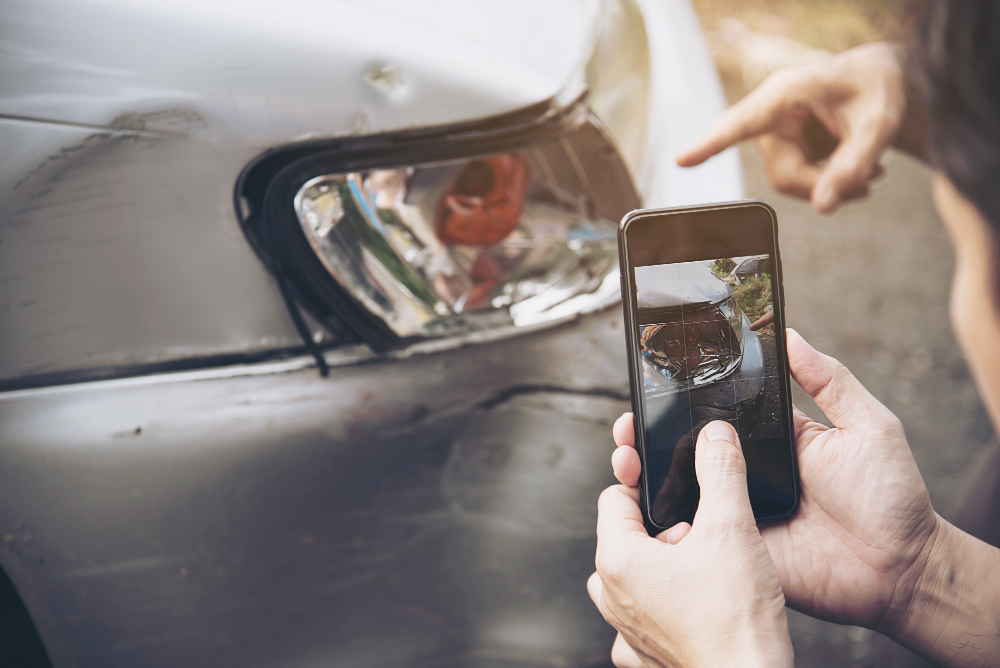
- Gather Evidence: Take photos of the accident scene, your injuries, and any vehicle damage. Get witness contact information if possible.
Speak with Florida Rideshare Accident Attorney
Before talking to insurance adjusters or accepting a settlement, consult with a rideshare accident lawyer from Fuentes & Berrio to protect your rights.
Uber and Lyft accidents can leave victims facing serious financial and physical hardships. Understanding the differences in how these companies handle claims is key to securing fair compensation.
If you or a loved one were injured in a rideshare accident, seeking legal representation can ensure you receive the compensation you need to recover. Call our office at (954) 752-1110 or reach out online for a free consultation.