


Every year, millions of passengers board cruise ships expecting sun-soaked decks, ocean views, and total relaxation. But behind the glamour and glossy brochures lies a harsh reality: cruise ships are not immune to serious accidents, and they happen far more often than most people realize.
Between 2019 and 2024, an average of 200 deaths were reported on cruise ships annually. In 2024 alone, 19 passengers went overboard, and many others suffered injuries ranging from broken bones to traumatic brain injuries. A separate study documented 663 onboard injuries over just three years—more than 1 in 10 of those were serious enough to require hospitalization.
Time limits apply to cruise ship claims, and Fuentes & Berrio is prepared to act quickly to protect your rights. Reach out to our Florida personal injury attorneys today!
Slip and Fall Accidents
Wet decks, poolside puddles, spilled drinks in the buffet area, or slick flooring after cleaning can all become serious hazards, especially when there’s no warning signage.
On a moving ship, even a small fall can lead to serious trauma. Passengers have suffered from broken wrists, dislocated shoulders, back injuries, and, in some cases, traumatic brain injuries. And more often than not, the cruise line blames the victim instead of fixing the hazard that caused the fall.
Swimming Pool Accidents and Drownings
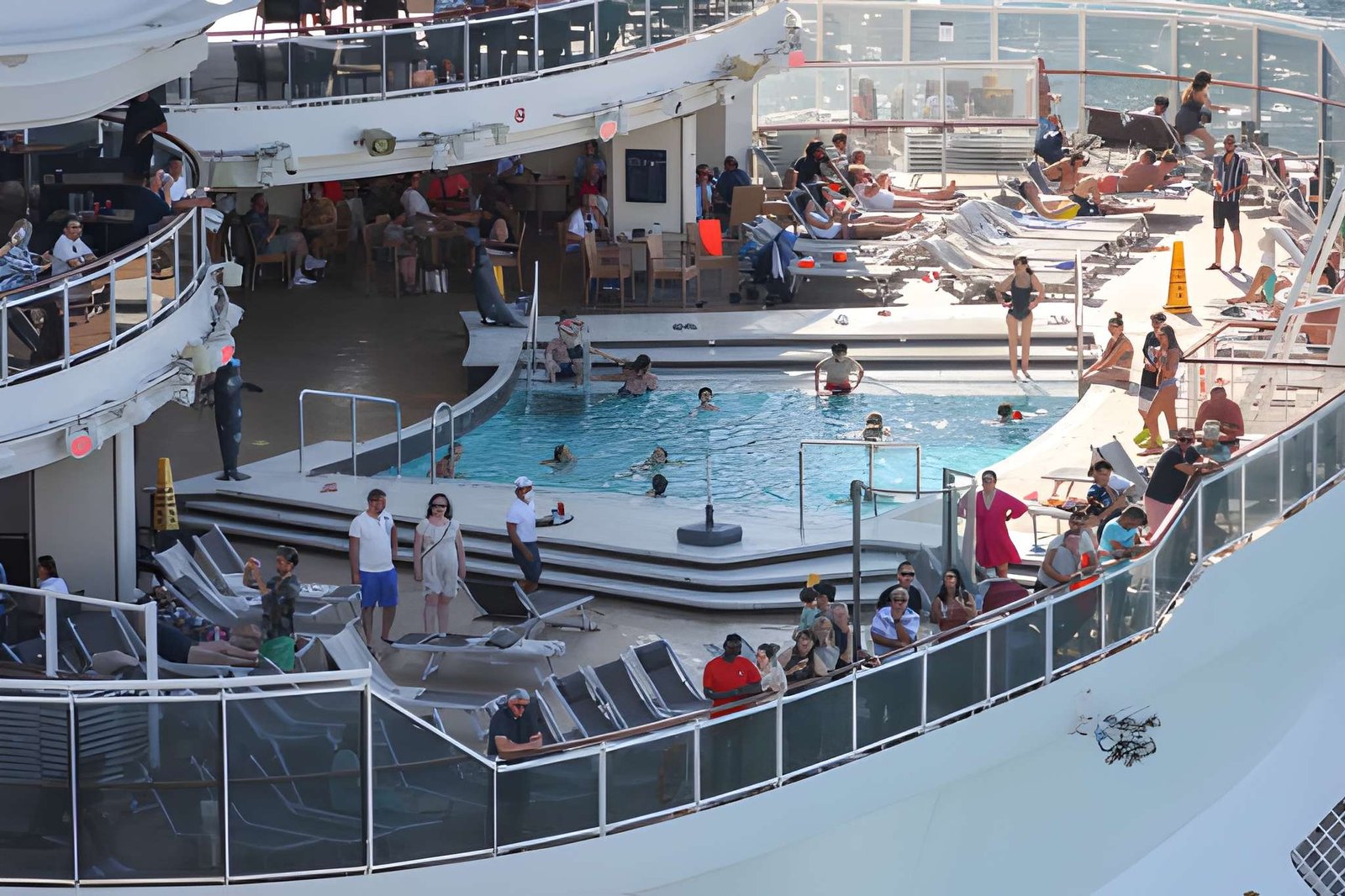
Pools are a big draw on cruise ships, but they’re not always safe. Many ships don’t have trained lifeguards on duty despite dozens of passengers, including children, using the facilities at once.
Poorly maintained pool equipment, broken steps, slippery tiles, and even aggressive behavior in the water can lead to serious injuries or death. Passengers may drown or suffer head injuries or spinal cord damage from diving into shallow water with no warning signs posted.
Food Poisoning and Norovirus Outbreaks
You’d expect cruise lines to uphold strict food safety standards. But in reality, mass food production onboard can quickly lead to contamination. Unclean kitchens, poorly refrigerated items, and improper handling can all result in foodborne illnesses.
In addition, the confined environment of a ship and outbreaks like Norovirus spread rapidly, causing vomiting, dehydration, and sometimes hospitalization. And while cruise companies often blame unavoidable circumstances, many outbreaks have been directly linked to failed inspections and known safety issues.
Recreational and Excursion Injuries
From ziplining in port to jet skiing off a private beach, cruise excursions are supposed to be highlights of the trip. However, many of these activities are outsourced to third-party operators who may not follow proper safety procedures.
Passengers may suffer broken bones, concussions, and worse from faulty equipment, lack of supervision, or inexperienced guides. And while cruise lines often try to deny responsibility by pointing to a signed waiver or contract, they may still be liable, especially if they recommended the vendor or failed to warn passengers about known risks.
Cruise Ship Medical Malpractice
Medical help is supposed to be available on board, but cruise ship infirmaries aren’t hospitals, and their staff may not be trained or licensed in the same way as doctors on land.
Passengers can be misdiagnosed, given the wrong medication, or denied care altogether. Some injuries, like strokes or infections, require fast treatment. A delay of even a few hours can cause long-term damage or death. When that happens, it’s not just unfortunate. It’s malpractice.
ELEVATOR, Escalator, and Staircase Injuries
Elevators and escalators are found throughout cruise ships, and sometimes they are poorly maintained or outdated. Malfunctions can lead to sudden stops, doors closing too fast, or floors that don’t align properly—causing passengers to trip or fall.
Staircases are another hazard. If steps are wet, lighting is dim, or railings are loose, people can fall and sustain serious injuries, especially older passengers. Yet maintenance logs are often incomplete or ignored, and cruise staff may not be trained to report or fix problems until someone gets hurt.
Assault and Negligent Security
Assaults do happen—both from fellow passengers and sometimes from crew members themselves. Alcohol is freely available, often without limits, and security staff may be limited or slow to respond.
When security fails to act on complaints, fails to detain violent passengers, or turns a blind eye to known offenders, the cruise line can be held responsible. Victims of assault can suffer long-term trauma, in addition to their physical injuries and deserve accountability.
Falling Overboard
Few things are more terrifying than falling overboard. While cruise lines often claim that passengers must have been acting recklessly, many of these incidents happen because of poor railing design, overcrowded decks, or intoxicated guests not being monitored.
In some cases, cruise staff failed to respond in time or didn’t follow proper procedures for search and rescue. Every minute matters when someone goes into the water and a delay can mean the difference between survival and tragedy.
Fire and Mechanical Failures
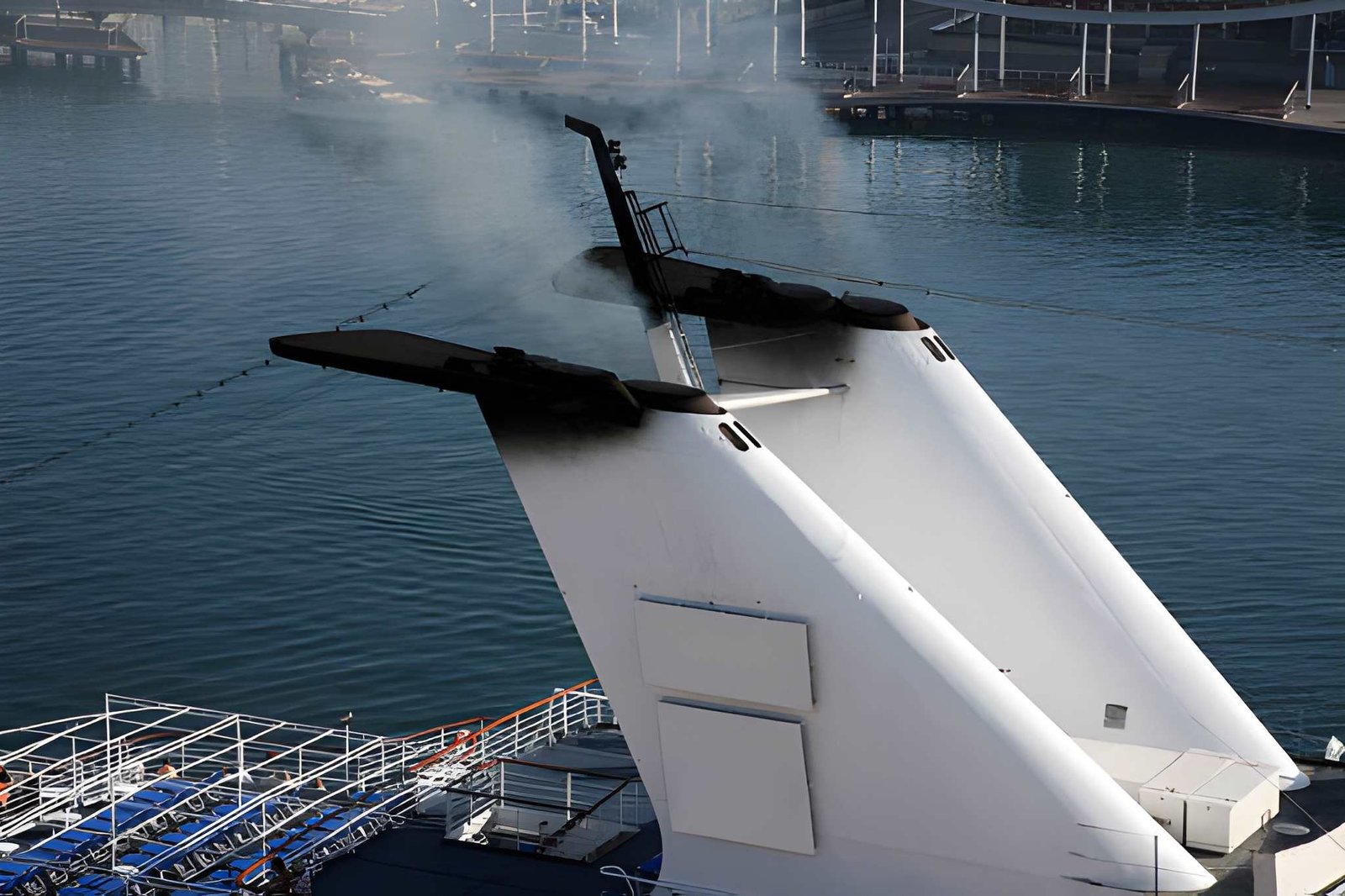
Electrical failures, grease fires in kitchens, or malfunctions in engine rooms have all caused fires that forced ship evacuations or resulted in injuries. Mechanical problems can also affect HVAC systems, plumbing, and water quality. Passengers can suffer burns, carbon monoxide exposure, and illness from contaminated water – all tied to poor maintenance or delayed repairs.
Why Cruise Ship Injuries Are Different
Injuries that happen at sea aren’t handled the same way as those that happen on land. For starters, cruise ships often sail under foreign flags and operate outside the jurisdiction of U.S. courts. That alone can make filing a claim confusing.
Even when you’re injured in U.S. waters or at a U.S. port, cruise lines often include legal disclaimers in their passenger contracts to limit their responsibility. They may argue that they’re not liable for excursion accidents or that they provided ‘adequate warning’ about onboard dangers—even when they clearly fell short.
To make things worse, cruise ship medical staff may not be properly trained to handle emergencies. And if you’re far from the nearest port, you may be forced to rely on substandard treatment, delayed care, or no treatment at all until the ship reaches land.
Schedule a Call with a Florida Cruise Ship Accident Lawyer
Cruise lines are built to protect their profits, not your rights. Their contracts are packed with legal traps, and their teams are trained to make claims disappear. That’s where Fuentes & Berrio come in. We know how these companies operate, how their contracts are written, and what it takes to hold them accountable.
If your vacation ended in injury, don’t let the cruise line write the final chapter. We’ve handled cases like yours, and we know how to push back. Call us at (954) 752-1110 or send your details online—whatever works for you. And remember: you don’t pay us a cent unless we win.